Description
Quantum Hub Assembly: Enabling the Next Generation of Quantum Connectivity
The hub assembly plays an important role in the development of advanced quantum computing and communication systems. As quantum technology continues to evolve, the need for reliable connections between multiple quantum processing units (QPUs) becomes increasingly important.
The Quantum Hub Assembly (QHA) works as an integrated connection module that allows different quantum processors to communicate efficiently. It helps create a structured pathway for transferring quantum information, coordinating operations, and improving synchronization between connected systems.
Unlike traditional computing systems, quantum computers rely on highly sensitive quantum states that require precise management. A reliable connection platform is essential for maintaining performance, reducing errors, and supporting larger quantum architectures.
The Quantum Hub Assembly provides the foundation needed for building scalable quantum networks and improving the way quantum processors interact.
What Is a Quantum Hub Assembly?
A hub assembly is a specialized component designed to connect multiple parts of a larger system. In quantum technology, the Quantum Hub Assembly acts as a central communication point between quantum processing units.
Its main purpose is to support efficient communication between quantum nodes while maintaining the accuracy and stability required for quantum operations.
The QHA helps coordinate:
- Quantum processor connections
- Information transfer between computing units
- System synchronization
- Quantum communication pathways
- Advanced control operations
As quantum computers become more complex, connection technologies like this become essential for creating larger and more powerful computing systems.
Advanced Connectivity for Quantum Computing Systems
Quantum computing requires a different approach to communication compared to traditional computers. Instead of simple electrical signals, quantum systems rely on qubits that can exist in delicate quantum states.
The Quantum Hub Assembly provides a structured solution for connecting multiple processing units while supporting the unique requirements of quantum environments.
By improving communication between quantum components, this technology helps researchers develop:
- Larger quantum processors
- Distributed quantum computing networks
- More efficient quantum architectures
- Improved information exchange systems
A reliable connection module allows individual quantum processors to work together as part of a larger system.
Quantum Interconnect Technology and Information Transfer
One of the most important functions of the Quantum Hub Assembly is supporting quantum interconnects.
Quantum interconnects allow separate quantum devices to exchange information while maintaining high accuracy. This capability is essential for creating connected quantum networks.
The system can support advanced functions such as:
- Entanglement distribution between quantum nodes
- High-quality qubit communication
- Synchronization between processing units
- Improved coordination across quantum platforms
These features help overcome one of the biggest challenges in quantum computing: connecting multiple processors while preserving quantum information quality.
Cryogenic Compatibility for Stable Quantum Performance
Many quantum computing systems operate in extremely cold environments to protect qubit stability. Maintaining these conditions is necessary because heat and environmental interference can affect quantum states.
The Quantum Hub Assembly is designed to support systems requiring cryogenic compatibility. This allows it to operate effectively alongside quantum processors that depend on ultra-low temperatures.
Benefits of cryogenic operation include:
- Better preservation of quantum states
- Reduced interference
- Improved processor reliability
- More stable quantum communication
By supporting these demanding environments, the QHA contributes to the development of more dependable quantum computing systems.
Supporting Quantum Error Correction
Quantum errors are one of the biggest challenges facing quantum computing. Small disturbances can affect qubit states and reduce the accuracy of calculations.
Modern quantum systems use error correction methods to improve reliability, and the Quantum Hub Assembly can support architectures that include these advanced correction techniques.
Through integration with error management systems, it helps contribute to:
- Reduced data loss
- Improved calculation accuracy
- Better system stability
- More reliable quantum operations
As quantum processors continue to scale, error correction support will become increasingly important.
Photon and Ion-Based Quantum Connectivity
Depending on the design of a quantum system, the Quantum Hub Assembly may support different connectivity approaches, including photonic and ion-based technologies.
Photonic Connectivity
Photonic systems use particles of light to transfer quantum information. This approach is valuable for quantum communication because photons can travel efficiently across networks.
Advantages include:
- Fast information transfer
- Long-distance communication potential
- Support for quantum networking applications
Ion-Based Connectivity
Ion-trap systems use controlled ions as quantum information carriers. These systems require extremely precise manipulation and measurement.
Benefits include:
- Accurate qubit control
- Stable quantum interactions
- Reliable processor communication
The flexibility of these technologies allows quantum systems to be designed for different research and industrial applications.
you may also like some of our products:
Control and Readout Systems for Quantum Processing
A successful quantum system requires more than just connections between processors. It also needs accurate control and measurement capabilities.
The Quantum Hub Assembly can work alongside control and readout technologies that allow engineers to manipulate qubits and monitor their states.
These systems help provide:
- Precise quantum operations
- Reliable state detection
- Improved processor coordination
- Better system management
Effective control systems are essential for transforming quantum technology from research concepts into practical computing solutions.
Applications of Quantum Hub Assembly Technology
The Quantum Hub Assembly has many potential applications across the expanding quantum technology industry.
Quantum Computing Networks
One of the main applications is connecting multiple quantum processing units to create scalable computing systems.
By allowing processors to communicate efficiently, the QHA supports the development of:
- Distributed quantum computers
- Large-scale quantum architectures
- Advanced research platforms
This approach allows future quantum systems to expand beyond individual processors.
Quantum Cryptography
Security is another important area where quantum technology has significant potential.
The Quantum Hub Assembly can support quantum key distribution (QKD) systems by helping connect quantum communication nodes.
Potential benefits include:
- Highly secure communication
- Advanced encryption methods
- Protection against future security threats
Quantum cryptography is expected to play an important role in next-generation communication networks.
Sensor Networks
Quantum sensors are designed to provide extremely precise measurements for scientific and industrial applications.
Connecting multiple quantum sensors through advanced communication systems can improve data collection and accuracy.
Possible uses include:
- Scientific research
- Precision monitoring
- Advanced measurement technologies
The Quantum Hub Assembly helps create the communication foundation needed for connected quantum sensor systems. visit the official Quantum Rehab makers site
Hub Assembly Compared With Traditional Wheel Hub Assembly
Although the terms may appear similar, a Quantum Hub Assembly and a traditional wheel hub assembly are designed for completely different purposes.
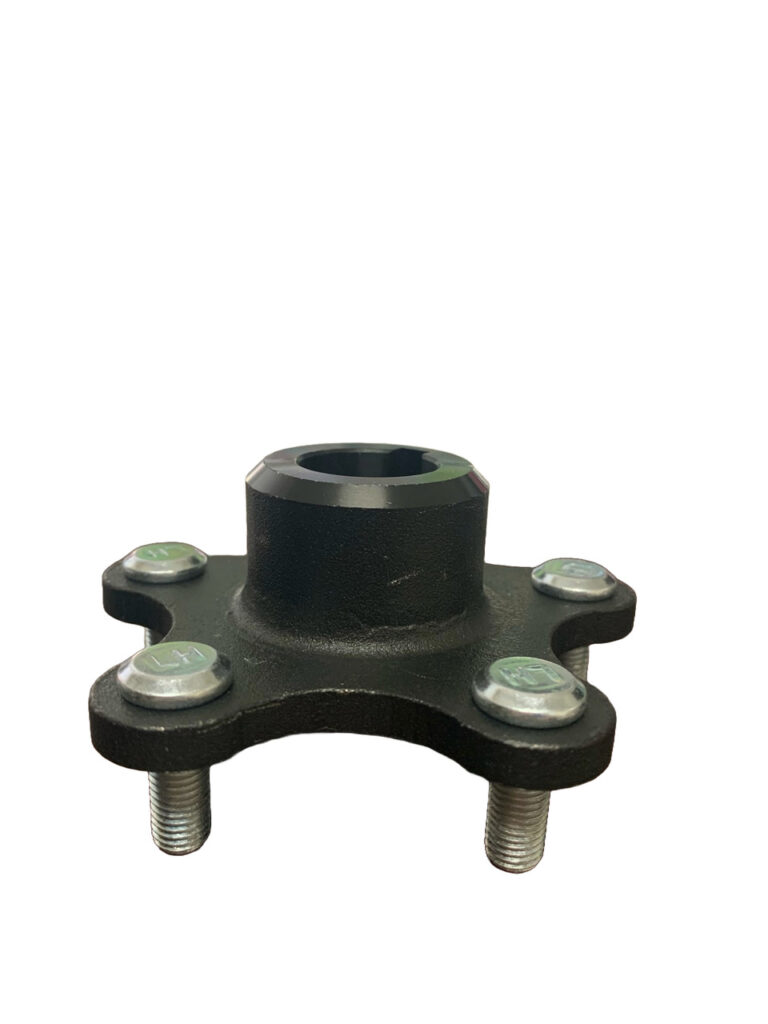
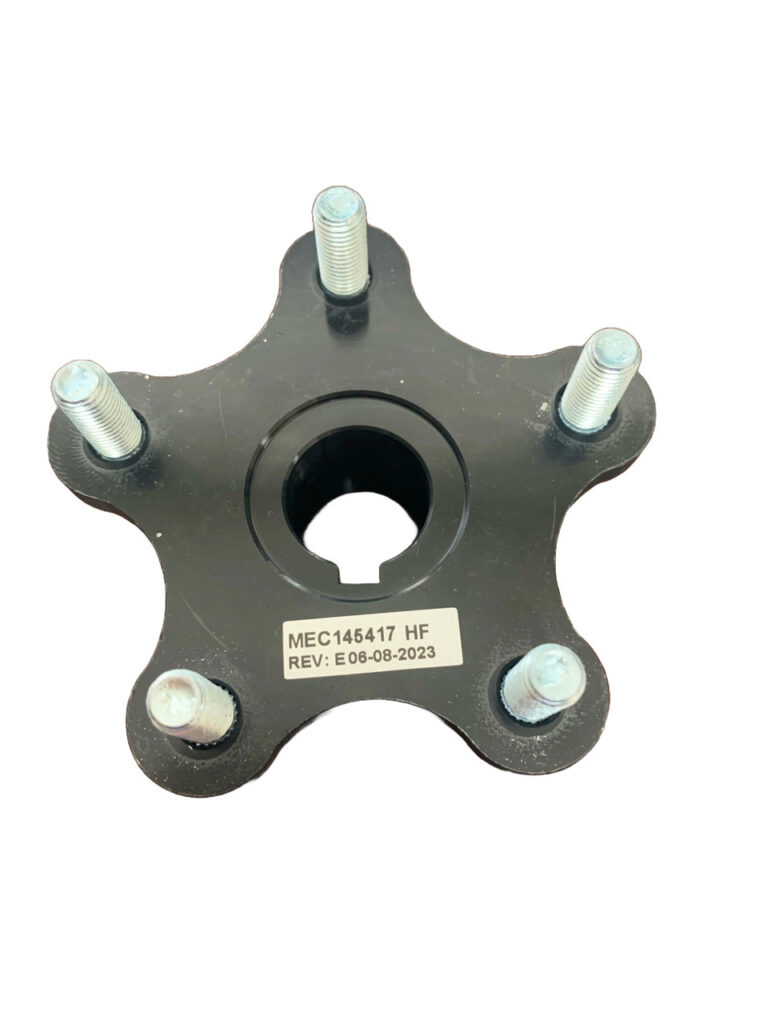
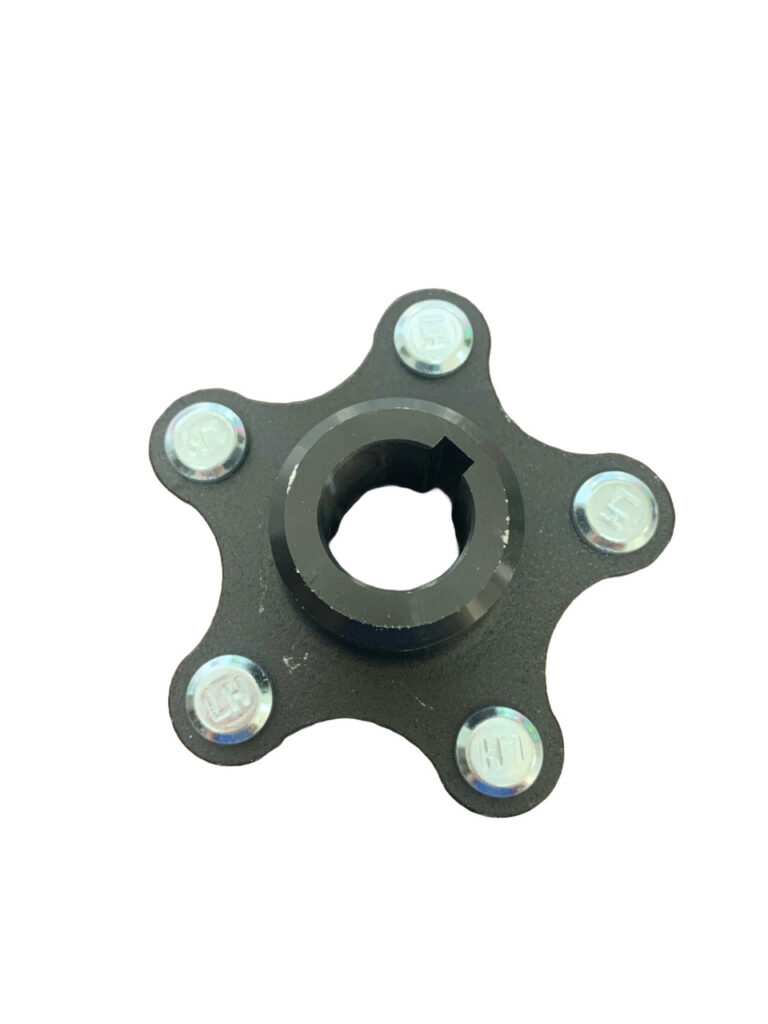
A wheel hub assembly is a mechanical automotive component that connects a vehicle wheel to its structure and allows smooth rotation.
A Quantum Hub Assembly is an advanced technology component used for quantum information systems.
Traditional Wheel Hub Assembly:
- Used in vehicles
- Supports wheel movement
- Contains mechanical components such as bearings
Quantum Hub Assembly:
- Used in quantum computing
- Connects quantum processors
- Supports information exchange and synchronization
The shared word “hub” refers to their role as a central connection point, but their functions are entirely different.
Why Quantum Connectivity Matters
The future of quantum computing depends on the ability to create systems that are larger, faster, and more reliable.
Individual quantum processors have great potential, but connecting multiple units is necessary to achieve more advanced capabilities.
The Quantum Hub Assembly helps address this challenge by providing a structured communication solution for quantum networks.
It supports the goal of creating:
- Scalable quantum computers
- Connected processing systems
- Advanced quantum communication networks
- Future computing technologies
Conclusion: Building the Future With Quantum Hub Assembly Technology
The Quantum Hub Assembly represents an important step toward more connected and powerful quantum systems. By linking quantum processing units and supporting efficient communication, it helps create the foundation for future quantum computing networks.
With capabilities such as quantum interconnect support, cryogenic compatibility, error correction integration, and advanced control systems, this technology plays a valuable role in improving quantum system performance.
As quantum computing continues to advance, reliable connection solutions will become increasingly important. The Quantum Hub Assembly provides the infrastructure needed to move toward a more connected and scalable quantum future.







Reviews
There are no reviews yet.